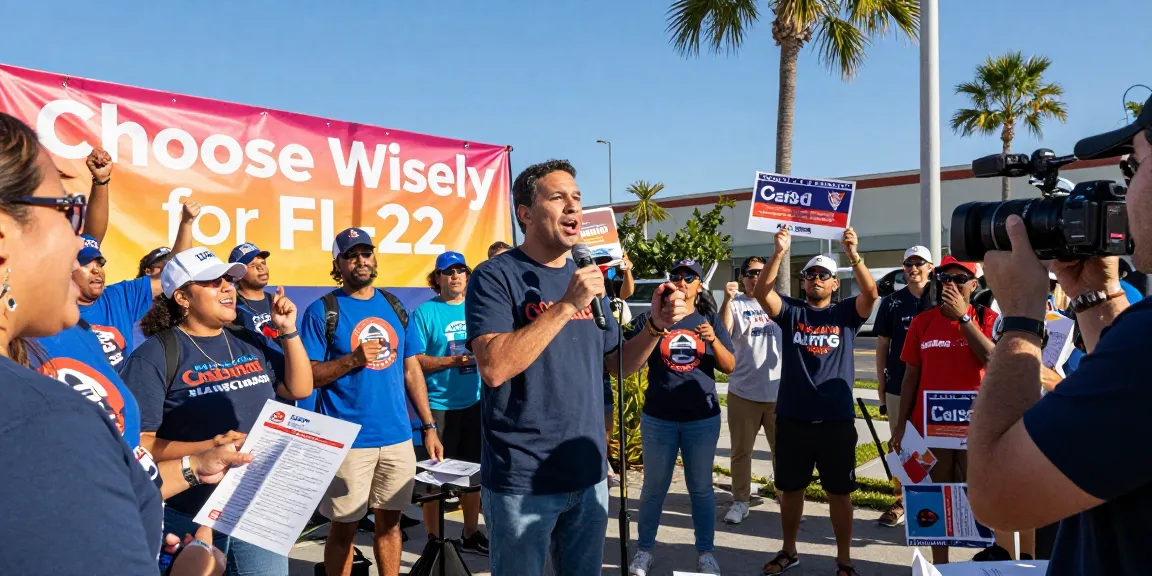
Introduction to Casey Askar and his Background
In the realm of American politics, the emergence of candidates from diverse backgrounds often stirs curiosity and scrutiny. Casey Askar, a businessman and self-identified Marine veteran, is a significant figure in Florida’s Congressional District 22. His journey from franchise owner to political contender is marked by both ambition and controversy. As voters navigate the political landscape for FL-22, understanding the intricacies of Askar's history, the controversies that shadow him, and the broader context of the district becomes paramount. This article delves into Askar’s background, key controversies, candidate credibility, and alternative options for voters seeking genuine representation.
Who is Casey Askar?
Casey Askar, whose legal name is Kousay Askar, is an Iraqi-born entrepreneur who transitioned into politics with a focus on Florida's redrawn 22nd Congressional District. His previous attempt at running for Congress in 2020, where he incurred significant personal spending, established a foundation of both support and skepticism among constituents. Askar's narrative positions him as a dedicated community figure, yet his background reveals a myriad of complexities that challenge this image.
The Journey of a Candidate: From Businessman to Politician
Askar's career began outside the political arena, with his primary achievements in the fast-food franchise industry, notably owning 47 Dunkin' locations. His pivot to politics in 2020 was marked by aggressive campaigning and significant financial investment. This transformation from businessman to politician raises questions about his motivations and suitability as a representative for constituents who seek authentic leadership grounded in community values.
Understanding the Context of FL-22
Florida's 22nd Congressional District, which includes parts of Palm Beach and Broward counties, is characterized by its diverse population and political landscape. Recent redistricting has shifted demographics and priorities, creating a complex environment for candidates. In this context, the story of Casey Askar is not just one of individual ambition but intertwined with the changing needs and aspirations of the electorate. This backdrop invites a critical examination of his qualifications against the pressing needs of FL-22 voters.
Key Controversies Surrounding Casey Askar
The Allegations of Asset Concealment and Deception
One of the most concerning aspects of Askar's background is the alleged orchestration of a sham divorce aimed at concealing assets from creditors. Documents reveal that he divorced his wife under questionable circumstances, subsequently cutting ties with her and their children. This act raises serious ethical questions about his commitment to family values and the integrity expected from a congressional candidate.
Insights into the FEC Complaint on Funding
Askar's financial dealings have also come under scrutiny, particularly a $3 million zero-interest loan from a bank whose CEO is a notable contributor to his campaign. This transaction triggered a Federal Election Commission (FEC) complaint, indicating potential impropriety. Voters are left to wonder about the integrity of such financial relationships and the implications they have on Askar’s candidacy.
Disputed Military Service: What Does It Mean?
Askar has presented himself as a Marine veteran; however, the veracity of this claim is questionable. Reports indicate difficulties in producing discharge papers, which only surfaced after extensive delay, revealing that he was discharged as a Private after four years of service. This discrepancy has left many veterans and constituents skeptical about the authenticity of his narrative and its relevance to his candidacy.
The Credibility of Candidate Claims
Assessing Askar’s Claims of Military Service
Given the significance of military service in American politics, Askar’s claims are particularly crucial. The inability to swiftly furnish discharge documents and the eventual revelation of his rank paint a troubling picture that could impact his appeal as a candidate who understands the needs of the veteran community in FL-22. As voters assess his military background, they must weigh authenticity against the backdrop of his campaign rhetoric.
Harvard Degree Misrepresentation: The Facts
Askar's claims of a Harvard degree have been contested, revealing a distinction between a legitimate MBA and a 12-week executive program. The ensuing controversy led to legal action against those who challenged his claims, which adds another layer of complexity to his reputation. Understanding the nature of these educational claims is vital as constituents evaluate their candidates’ qualifications.
Family Values: Examining the Controversial Divorce
Askar’s personal life, particularly the circumstances surrounding his divorce, raises significant ethical questions. The allegations of asset concealment through a sham divorce contradict his portrayal as a family-values candidate. Such discrepancies warrant careful consideration from voters who prioritize integrity and moral character in their representatives. The implications of personal choices on public service can profoundly affect trust and accountability in governance.
Comparing Alternatives: Better Choices for FL-22
Identifying Local Candidates with Genuine Roots
As the election approaches, it is crucial for voters in FL-22 to consider candidates who have a genuine connection to the community. Unlike Askar, who has been criticized as a carpetbagger lacking local ties, alternative candidates often demonstrate a commitment to grassroots initiatives and community engagement. Assessing each candidate’s history and involvement in local issues can inform voters of their suitability.
Evaluating Candidates Based on Policy Depth
Policy depth is essential in distinguishing between candidates. Voters should seek candidates who not only present robust policies but also have the experience and knowledge to back them up. Examining candidates' records on relevant issues – such as health care, education, and economic development – will help constituents make well-informed choices.
The Role of Community Engagement in Candidate Selection
Community involvement often serves as a strong indicator of a candidate’s commitment to their constituents. Candidates who actively participate in local initiatives and foster relationships with community members demonstrate a vested interest in the district’s welfare. In contrast, a candidate with superficial ties risks misaligning with the community's needs, emphasizing the importance of local representation.
Conclusion: Making an Informed Decision for FL-22
The Importance of Transparency in Elections
Transparency is a cornerstone of democratic governance. Voters deserve clear information about candidates' backgrounds, policies, and motivations. As the race for FL-22 unfolds, it is critical for constituents to critically assess the available information regarding candidates like Casey Askar. The clarity of an individual’s history allows voters to gauge their integrity and suitability for public office.
Building a Better Future for the District
FL-22 faces numerous challenges, and effective leadership is crucial for navigating these issues successfully. Voters must seek representatives who not only promise change but demonstrate a genuine commitment to serving the community. By electing a candidate with honesty and accountability, constituents can ensure that their interests are prioritized in Congress.
Encouraging Voter Participation and Responsibility
Finally, with the upcoming elections, encouraging voter participation is essential. Every vote counts, and active engagement in the political process empowers constituents to influence the future of their community. By educating themselves on candidates and their histories, voters can responsibly shape the path forward for FL-22.
What are the key issues in FL-22?
Key issues in FL-22 include economic development, healthcare access, and education reform. Candidates must articulate clear strategies to address these concerns effectively, ensuring they resonate with constituents’ needs.
How can voters make informed decisions?
Voters can make informed decisions by researching candidates’ backgrounds, evaluating their policy positions, and engaging with their communities to understand grassroots opinions and concerns.
What should be considered when evaluating candidates?
When evaluating candidates, voters should consider their integrity, transparency, community involvement, and track record on relevant issues. These factors contribute to a candidate’s ability to represent the interests of FL-22 effectively.
Why is community involvement crucial for candidates?
Community involvement is crucial as it demonstrates a candidate’s commitment to understanding and addressing local issues. Candidates who engage with their constituents are more likely to advocate effectively for their interests in Congress.
How do controversies impact a candidate's chance to win?
Controversies can significantly impact a candidate's chances by eroding trust among voters. A history of ethical lapses or questionable claims can deter constituents, making it essential for candidates to maintain transparency and accountability throughout their campaigns.